
The Challenge
The requirement was more than simply adding a wishlist button to a Shopify store. The business needed a wishlist experience that could work naturally within its existing storefront while supporting different product interactions, customer states, and store-specific requirements. At the same time, the underlying functionality needed to be flexible enough to adapt to other Shopify stores without rebuilding the entire system for every implementation. The challenge was therefore twofold: deliver a seamless customer-facing wishlist experience while creating a technical foundation that could be customized and reused across different commerce environments.
The Approach
We approached the wishlist as a reusable commerce capability rather than a one-off storefront feature. The system was designed around a flexible integration layer that could work with Shopify's product and customer ecosystem while allowing individual stores to control the experience, interface, and business requirements. This approach separated the core wishlist functionality from store-specific presentation and configuration, making it easier to adapt the system for different storefronts without compromising the underlying architecture.
The Solution
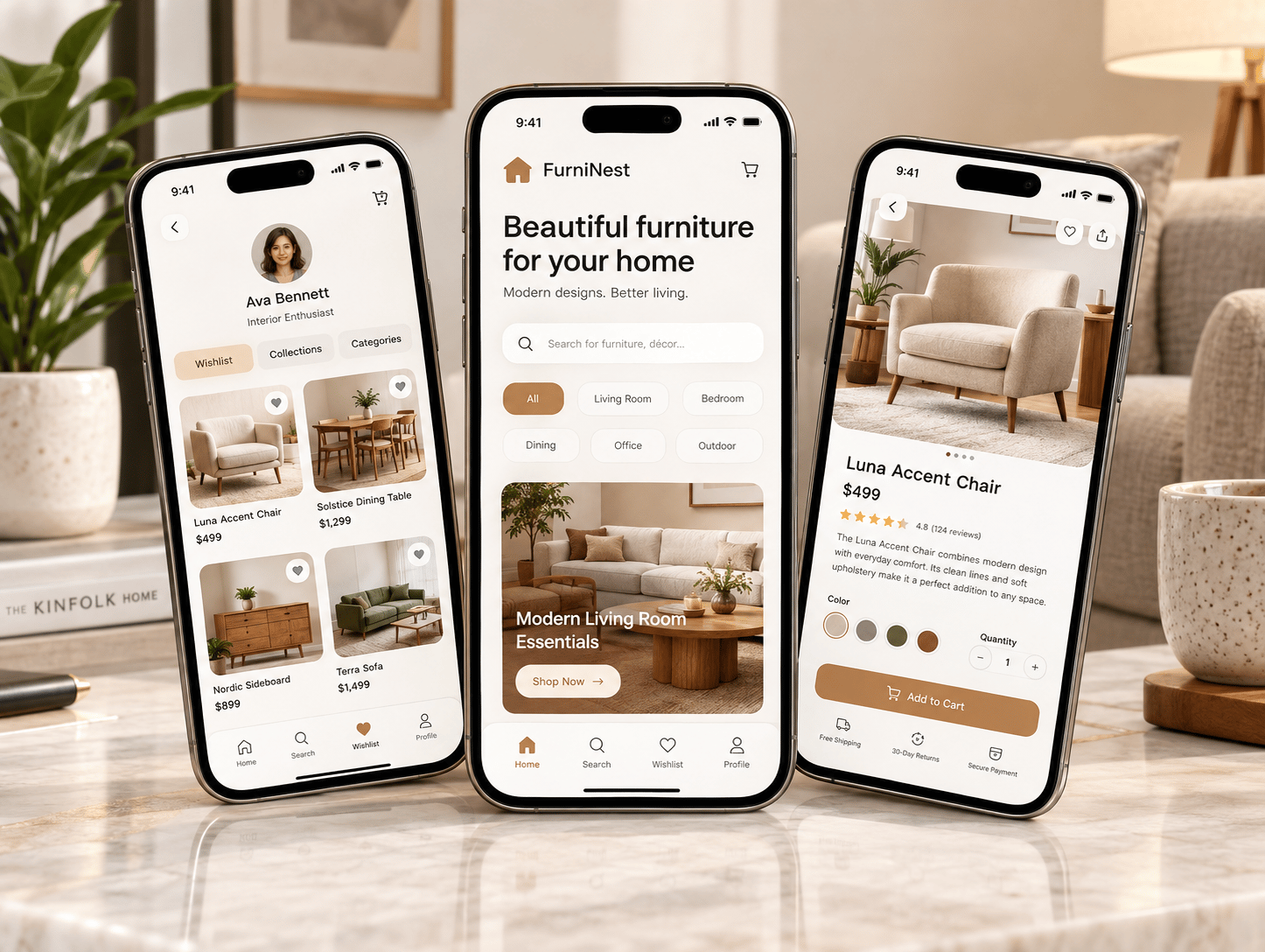
We built a customizable wishlist system integrated directly into the Shopify storefront. Customers can save products for later through a dedicated wishlist experience, while the system manages the underlying product and wishlist information required to deliver a consistent experience across the store. The solution was structured with customization in mind, allowing different stores to adapt elements such as: Wishlist interface and storefront experience Product and collection integration Customer-specific wishlist behavior Guest and logged-in customer experiences Store-specific design and styling Data and integration requirements Feature configuration based on business needs Rather than creating separate implementations from the ground up, the core system provides a reusable foundation that can be configured for different Shopify stores.
The Execution
The implementation focused on integrating the wishlist naturally into the existing Shopify shopping journey. The system was connected to the storefront so customers could save and revisit products without disrupting browsing or purchasing flows. The underlying architecture was kept modular so store-specific requirements could be handled without changing the core functionality. This created a model where the same underlying wishlist capability can serve multiple commerce environments while allowing each implementation to maintain its own branding, UX, configuration, and requirements.
From Store Feature to Reusable Commerce System
A wishlist may look like a small storefront feature, but the underlying architecture determines how useful it becomes at scale.
Instead of treating the wishlist as an isolated component, we designed it as a reusable commerce capability — one that can connect with Shopify while remaining flexible enough to support different storefronts and business requirements.
One Core System. Different Store Experiences.
Shopify Store → Integration Layer → Wishlist System → Customer Experience
The core functionality remains consistent, while the implementation can be adapted around each store's design, requirements, and customer journey.
Built Once. Adapted Where It Matters.
The value of the system goes beyond allowing customers to save products.
Its reusable architecture creates an opportunity to provide the same capability across multiple Shopify stores while customizing the parts that actually need to change — from the interface and branding to integrations and business rules.
Why Reusability Matters
A custom feature should not necessarily mean a custom rebuild every time.
By separating reusable functionality from store-specific requirements, businesses can introduce new commerce capabilities faster while maintaining a consistent technical foundation.